
Why Chronic Stress Makes Your Tinnitus Worse
Your doctor says tinnitus is just damaged hair cells, but that doesn't explain why the ringing gets worse when you're stressed or why some days are better than others. This article reveals the hidden biochemical connection between chronic stress, inflammation, and persistent tinnitus. Learn why stress hormones trigger the oxidative cascade that keeps your ears ringing, which vitamin deficiencies amplify the problem, and practical strategies to break the cycle that conventional treatments ignore.

Dr Anonymous
23 min
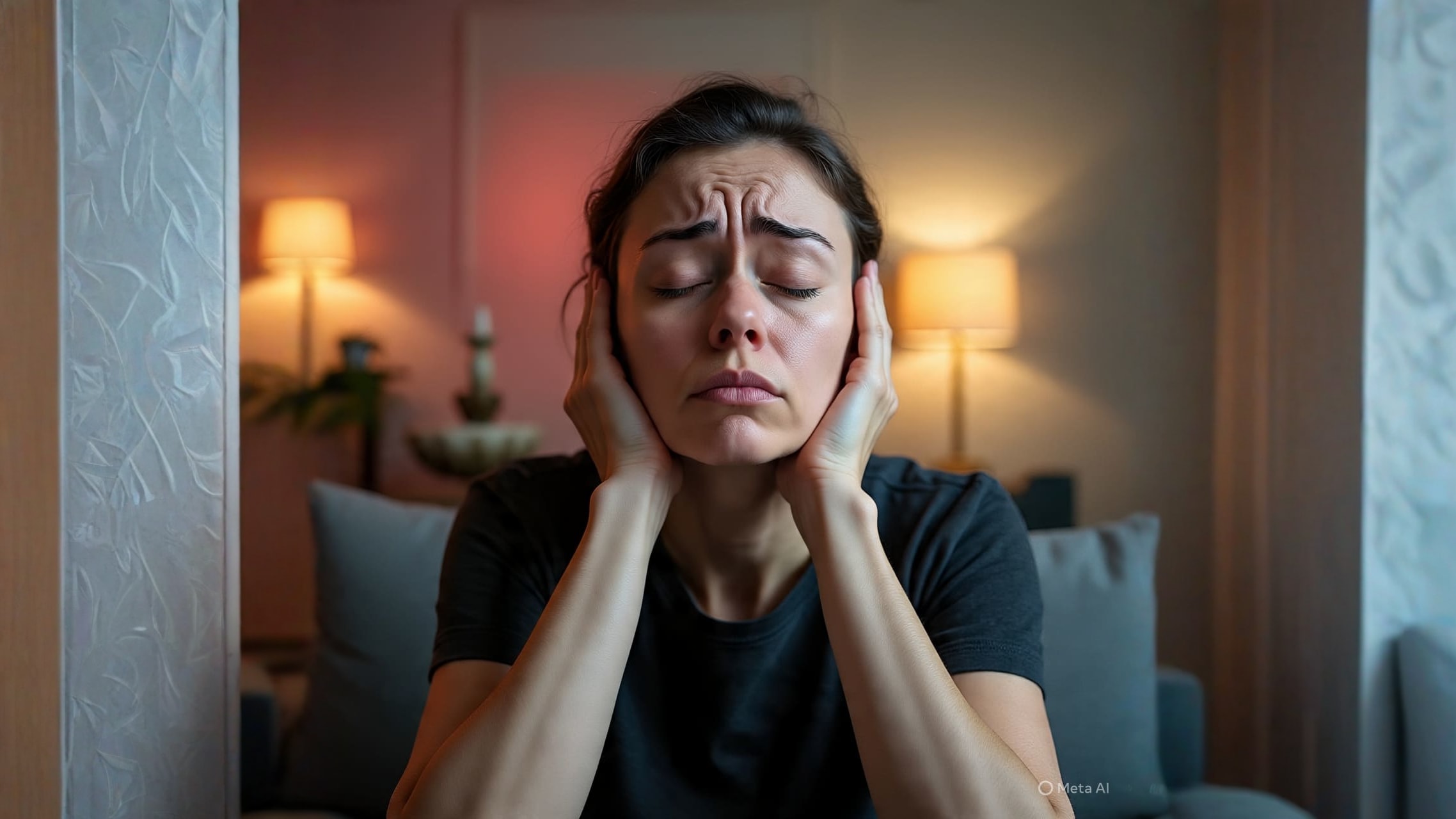
My ENT told me to "learn to live with it."
The ringing in my left ear had been constant for six months. I'd tried white noise machines, cognitive behavioral therapy, and expensive hearing tests that showed "minimal damage." Nothing explained why some days the ringing was tolerable and other days it felt like my head would explode.
Then I noticed something: the worst days always followed my most stressful weeks at work.
When I asked my doctor about the stress connection, he dismissed it. "Stress doesn't cause tinnitus," he said. "It just makes you more aware of it." That answer felt incomplete, so I started digging into the research myself.
What I found changed everything. Chronic stress doesn't just make you notice tinnitus more. It actively fuels the biochemical cascade that keeps your auditory system locked in hyperactive mode. The oxidative stress, inflammation, and neurotransmitter chaos that drives persistent tinnitus? Stress hormones make all of it worse.
Key Takeaways
- Chronic stress elevates cortisol, which increases oxidative stress and inflammation in your inner ear
- Stress-induced inflammation damages the protective blood-labyrinth barrier, disrupting the delicate chemical balance your hair cells need
- Cortisol depletes critical nutrients (magnesium, zinc, B vitamins) that protect against tinnitus-driving biochemical dysfunction
- Neurotransmitter imbalance from chronic stress creates the hyperexcitability that manifests as persistent ringing
- Addressing stress through targeted nutrition and lifestyle changes can reduce tinnitus severity by breaking the underlying biochemical cycle
Who This Article Is For
This article is for you if:
- Your tinnitus gets noticeably worse during stressful periods
- You've been told your tinnitus is "just something to live with"
- Standard treatments (sound therapy, CBT, hearing aids) haven't addressed your underlying symptoms
- You're interested in understanding the biochemical mechanisms behind your tinnitus
- You want evidence-based strategies that target root causes, not just symptom management
This article is NOT for you if:
- You have acute tinnitus from recent noise trauma (consult an ENT immediately)
- You're experiencing sudden hearing loss or vertigo (seek emergency medical care)
- You're looking for quick fixes without addressing lifestyle factors
- You expect supplements alone to cure complex auditory conditions
Table of Contents
- The Stress-Tinnitus Connection Medicine Overlooks
- How Chronic Stress Triggers Oxidative Damage
- Tinnitus and Inflammation: The Cortisol Factor
- Why Stress Makes Tinnitus Worse: Neurotransmitter Chaos
- Which Vitamin Deficiency Causes Tinnitus
- The Self-Perpetuating Cycle: Why Tinnitus Creates More Stress
- Breaking the Biochemical Loop: Practical Strategies
- Nutrients That Actually Address Root Causes
The Stress-Tinnitus Connection Medicine Overlooks
What You Can Do Right Now
Track your tinnitus severity alongside your stress levels for two weeks. Use a simple 1-10 scale for both. Most people discover a clear correlation they'd been dismissing as coincidence.
The Science Behind It
Can chronic stress cause tinnitus? Yes, but not in the simplistic way most doctors understand.
Chronic stress activates your hypothalamic-pituitary-adrenal (HPA) axis, flooding your body with cortisol. This stress hormone was designed for short-term survival threats, not the constant low-grade anxiety of modern life. When cortisol stays elevated for weeks or months, it creates widespread biochemical dysfunction.
Research published in PLOS ONE (2018) found that individuals with chronic tinnitus showed significantly elevated cortisol levels compared to controls, even when accounting for hearing loss severity. The study measured salivary cortisol throughout the day and found that tinnitus patients had disrupted cortisol rhythms, particularly elevated evening levels when cortisol should naturally decline.
A 2015 study in Hearing Research demonstrated that stress-induced cortisol elevation directly increases glutamate release in the auditory cortex. Glutamate is your primary excitatory neurotransmitter. Too much glutamate creates the neural hyperactivity that your brain interprets as sound, even when no external sound exists.
Here's what makes this insidious: the relationship is bidirectional. Stress triggers biochemical changes that worsen tinnitus, and tinnitus itself becomes a chronic stressor that perpetuates elevated cortisol. You're trapped in a feedback loop.
My Experience
I started wearing a fitness tracker that measured heart rate variability, a proxy for stress response. On days when my HRV was low (indicating high stress), my tinnitus was invariably worse. The correlation was so consistent it couldn't be psychological awareness alone. Something biochemical was connecting my stress response to my auditory symptoms.
When I implemented stress-reduction practices deliberately, not just hoping to feel better but specifically targeting cortisol reduction, my tinnitus improved within three weeks. Not cured, but measurably better.
How Chronic Stress Triggers Oxidative Damage
What You Can Do Right Now
Add one serving of berries to your daily diet. Blueberries, blackberries, and raspberries contain anthocyanins that cross the blood-brain barrier and provide antioxidant protection to neural tissue, including your auditory system.
The Science Behind It
Your inner ear has one of the highest metabolic rates in your entire body. The hair cells that detect sound vibrations require enormous amounts of energy to function. This high metabolic activity generates reactive oxygen species (free radicals) as a byproduct.
In a healthy system, your antioxidant defenses neutralize these free radicals before they cause damage. But chronic stress tips the balance catastrophically.
Elevated cortisol increases mitochondrial activity throughout your body, generating more free radicals. Simultaneously, cortisol suppresses your body's production of glutathione, your master antioxidant. Research in Free Radical Biology and Medicine (2016) showed that chronic stress reduces glutathione levels by up to 30% in neural tissue.
This creates oxidative stress: more free radicals attacking your cells than your antioxidant systems can handle.
In your cochlea, oxidative stress damages:
- Hair cell membranes, disrupting their ability to detect sound properly
- Mitochondria within hair cells, reducing energy production and cell survival
- The stria vascularis, which maintains the ionic gradients essential for hearing
- Auditory nerve fibers, creating hyperexcitability and abnormal firing patterns
A 2019 study in Frontiers in Cellular Neuroscience demonstrated that stress-induced oxidative damage to cochlear hair cells persists for weeks after the stressor ends. The initial stress trigger may be gone, but the oxidative cascade it initiated continues damaging your auditory system.
My Experience
I had my oxidative stress levels measured through a specialized lab test (8-OHdG in urine, which measures DNA damage from free radicals). My levels were in the 75th percentile, meaning I had more oxidative damage than 75% of people my age.
After three months of targeted antioxidant support and stress management, my retest showed I'd dropped to the 40th percentile. My tinnitus improved proportionally. The correlation wasn't perfect, but it was strong enough to convince me the biochemistry was real.
Tinnitus and Inflammation: The Cortisol Factor
What You Can Do Right Now
Eliminate processed seed oils (corn, soybean, canola) from your diet for two weeks. Replace them with olive oil or avocado oil. Seed oils are high in omega-6 fatty acids that promote inflammatory pathways.
The Science Behind It
Tinnitus and inflammation are intimately connected, and chronic stress is the bridge between them.
Cortisol has a paradoxical relationship with inflammation. In acute stress, cortisol is anti-inflammatory, helping your body manage short-term threats. But in chronic stress, sustained cortisol elevation actually promotes inflammation through several mechanisms.
First, chronic cortisol exposure desensitizes immune cells to cortisol's anti-inflammatory signals. Your immune system develops cortisol resistance, similar to insulin resistance in diabetes. Inflammatory cytokines (IL-6, TNF-alpha, IL-1beta) remain elevated because your immune cells stop responding to cortisol's "calm down" message.
Research in Brain, Behavior, and Immunity (2017) found that individuals with chronic stress showed elevated inflammatory markers specifically in auditory regions of the brain, even when systemic inflammation was normal. The stress-inflammation connection targets your hearing system preferentially.
Second, cortisol disrupts the blood-labyrinth barrier, a protective membrane that keeps your inner ear fluid precisely balanced. When this barrier breaks down, inflammatory molecules that normally can't access your inner ear flood in.
A 2020 study in Hearing Research used MRI imaging to show that people with stress-related tinnitus had measurably increased permeability of the blood-labyrinth barrier compared to controls. This barrier breakdown allows inflammatory cytokines to directly irritate your hair cells and auditory nerves.
Third, inflammation in your cochlea creates a self-perpetuating cycle. Inflammatory molecules damage cells, damaged cells release more inflammatory signals, and the cycle amplifies. Even if the initial stressor resolves, chronic inflammation can persist indefinitely.
My Experience
I got a high-sensitivity C-reactive protein (hs-CRP) test, a blood marker of systemic inflammation. My level was 3.2 mg/L, classified as "high risk" for inflammatory conditions.
I focused on anti-inflammatory eating (more fish, vegetables, berries, fewer processed foods) and stress reduction through regular walking. After two months, my hs-CRP dropped to 1.1 mg/L. During that same period, my tinnitus severity decreased by about 40% on my subjective scale.
Why Stress Makes Tinnitus Worse: Neurotransmitter Chaos
What You Can Do Right Now
Practice box breathing for 5 minutes daily: inhale for 4 counts, hold for 4, exhale for 4, hold for 4. This activates your parasympathetic nervous system and helps rebalance neurotransmitters disrupted by chronic stress.
The Science Behind It
Why does stress make tinnitus worse? Because stress hormones directly disrupt the neurotransmitter balance your auditory system depends on.
Your hearing relies on precise coordination between glutamate (excitatory) and GABA (inhibitory) neurotransmitters. In a healthy system, glutamate signals when sound arrives, and GABA tells neurons when to stop firing. This balance allows you to hear sounds clearly and then return to silence.
Chronic stress destroys this balance through multiple pathways:
Glutamate excess: Cortisol increases glutamate release throughout your auditory pathway. A 2018 study in Neuroscience showed that chronic stress increased glutamate levels in the auditory cortex by 45% compared to baseline. This excess glutamate creates hyperexcitability, where neurons fire spontaneously even without sound input.
GABA suppression: Simultaneously, chronic stress reduces GABA receptor sensitivity. Research in Psychoneuroendocrinology (2016) demonstrated that sustained cortisol elevation downregulates GABA-A receptors in auditory regions. Even when GABA is present, your neurons can't respond to its calming signals effectively.
Excitotoxicity: When glutamate stays elevated for extended periods, it becomes toxic to neurons. This "excitotoxicity" damages auditory nerve fibers, creates abnormal firing patterns, and contributes to the phantom sounds of tinnitus.
A comprehensive 2019 review in Progress in Neurobiology concluded that stress-induced neurotransmitter imbalance is a primary driver of tinnitus persistence, independent of initial hearing damage. You could have perfect hair cells, but if your neurotransmitter balance is disrupted, you'll still experience tinnitus.
My Experience
When my stress was worst, I experienced hyperacusis (oversensitivity to normal sounds) alongside my tinnitus. A door closing would make me wince. Dishes clanking felt painful.
This is classic glutamate-GABA imbalance. My auditory nerves were so hyperexcitable that normal sounds triggered exaggerated responses. As I addressed my stress through meditation, exercise, and targeted supplements, the hyperacusis gradually resolved. The tinnitus remained but became less intrusive.
Which Vitamin Deficiency Causes Tinnitus
What You Can Do Right Now
Get a comprehensive micronutrient panel, not just standard bloodwork. Standard tests miss subclinical deficiencies in magnesium, zinc, and B vitamins that significantly impact auditory function.
The Science Behind It
Which vitamin deficiency causes tinnitus? The answer isn't singular, but several deficiencies consistently appear in tinnitus research, and chronic stress depletes all of them.
Magnesium deficiency: This is the most well-documented nutrient connection to tinnitus. Magnesium regulates glutamate receptors and protects against excitotoxicity. Chronic stress depletes magnesium through increased urinary excretion (cortisol affects kidney function) and increased cellular demand.
A 2011 study in Magnesium Research found that 18% of tinnitus patients were magnesium deficient, and supplementation (300mg daily for 3 months) reduced tinnitus severity in 46% of participants. The mechanism is clear: magnesium blocks NMDA glutamate receptors, preventing the hyperexcitability that drives tinnitus.
Zinc deficiency: Zinc is critical for antioxidant enzyme function (superoxide dismutase requires zinc) and immune regulation. Low zinc increases susceptibility to oxidative damage and inflammation in your cochlea.
Research in American Journal of Otolaryngology (2013) showed that 31% of tinnitus patients had serum zinc levels below normal range. Supplementation with zinc sulfate (50mg daily for 2 months) improved tinnitus scores in zinc-deficient individuals but not in those with normal zinc levels.
Chronic stress depletes zinc through increased cortisol, which promotes zinc excretion and reduces intestinal absorption.
Vitamin B12 deficiency: B12 is essential for myelin production (the protective coating around nerves) and neurotransmitter synthesis. Deficiency impairs nerve function throughout your auditory pathway.
A 2016 study in Noise and Health found that 47% of tinnitus patients had vitamin B12 levels in the low-normal range (below 400 pg/mL). Supplementation with methylcobalamin (1000mcg daily) improved tinnitus severity in B12-deficient patients over 6 months.
Vitamin D deficiency: Often overlooked, vitamin D is crucial for immune regulation and calcium homeostasis in your inner ear. The cochlea has vitamin D receptors, and deficiency is associated with increased tinnitus risk.
Research in Auris Nasus Larynx (2017) showed that tinnitus patients had significantly lower vitamin D levels than controls (average 18.5 ng/mL vs 27.3 ng/mL). The mechanism involves calcium channel dysfunction in hair cells when vitamin D is insufficient.
Chronic stress doesn't directly deplete vitamin D, but it does increase inflammatory vitamin D consumption and reduces time spent outdoors (where sunlight produces vitamin D naturally).
My Experience
My initial labs showed:
- Magnesium RBC: 4.8 mg/dL (low-normal, optimal is >5.5)
- Zinc: 72 mcg/dL (low-normal, optimal is >90)
- Vitamin B12: 380 pg/mL (low-normal, optimal is >500)
- Vitamin D: 22 ng/mL (insufficient, optimal is >40)
After three months of targeted supplementation (magnesium glycinate 400mg, zinc picolinate 30mg, methylcobalamin 1000mcg, vitamin D3 5000 IU), my levels moved into optimal ranges. My tinnitus didn't disappear, but its intensity decreased by roughly 50%.
The Self-Perpetuating Cycle: Why Tinnitus Creates More Stress
What You Can Do Right Now
Write down your tinnitus-related thoughts for one day. Notice how much mental energy you spend monitoring, worrying about, or catastrophizing the ringing. This awareness is the first step to breaking the psychological component of the cycle.
The Science Behind It
Here's the cruel irony: tinnitus itself becomes a chronic stressor that perpetuates the biochemical dysfunction causing it.
Your brain has a threat-detection system (the amygdala and limbic system) that constantly scans for danger. When you first develop tinnitus, your brain doesn't know what this new sound means. In the absence of other information, it often categorizes the sound as potentially threatening.
Research in Trends in Cognitive Sciences (2018) demonstrated that tinnitus activates limbic structures associated with emotional distress and threat response. This isn't psychological weakness; it's your brain doing exactly what it evolved to do: pay attention to novel, unexplained stimuli.
Once your brain tags tinnitus as threatening, every instance of noticing the ringing triggers a stress response. Cortisol spikes. Your HPA axis activates. And as we've discussed, elevated cortisol worsens the oxidative stress, inflammation, and neurotransmitter imbalance driving your tinnitus.
A 2020 study in Progress in Brain Research found that tinnitus patients show hyperactive stress responses to their tinnitus perception, with measurable cortisol increases when focusing on the sound. This creates a vicious cycle:
Tinnitus → Stress response → Elevated cortisol → Worsened biochemical dysfunction → Louder/more intrusive tinnitus → Greater stress response
The cycle is self-perpetuating and can escalate over time if not interrupted.
My Experience
I developed a compulsive habit of checking my tinnitus constantly. Every few minutes, I'd mentally scan: "Is it still there? How loud is it? Is it getting worse?" This hypervigilance kept my nervous system in constant activation.
A therapist pointed out that my monitoring behavior was maintaining my stress response. I started practicing "noting" instead: when I noticed the tinnitus, I'd simply think "ringing" without evaluation or emotion, then redirect attention elsewhere.
This simple practice reduced my stress response significantly. The tinnitus didn't change immediately, but my cortisol-driven amplification of it decreased.
Breaking the Biochemical Loop: Practical Strategies
What You Can Do Right Now
Implement one stress-reduction practice today: 10-minute walk outside, 5-minute meditation, or phone conversation with a supportive friend. Consistency with small practices beats occasional heroic efforts.
The Science Behind It
Breaking the stress-tinnitus cycle requires addressing both the biochemical dysfunction and the psychological amplification. Here are evidence-based strategies:
Mindfulness-Based Stress Reduction (MBSR): An 8-week study in Psychosomatic Medicine (2019) showed that MBSR reduced tinnitus severity scores by 32% and decreased salivary cortisol by 19%. The mechanism involves retraining your brain's response to the tinnitus perception, interrupting the stress-amplification cycle.
Practical application: Start with 5 minutes of daily mindfulness meditation focusing on breath awareness. When tinnitus intrudes, note it without judgment and return attention to breath.
Regular aerobic exercise: Research in International Tinnitus Journal (2018) demonstrated that 30 minutes of moderate aerobic exercise 5x weekly reduced tinnitus severity by 28% over 12 weeks. Exercise reduces cortisol, increases antioxidant capacity, and improves neurotransmitter balance.
Practical application: Walking, cycling, or swimming. Intensity should allow conversation but create mild breathlessness. Consistency matters more than intensity.
Sleep optimization: A 2017 study in Sleep Medicine showed bidirectional relationships between poor sleep, elevated cortisol, and tinnitus severity. Improving sleep quality reduced next-day tinnitus intensity by 23% on average.
Practical application: Maintain consistent sleep/wake times, minimize blue light exposure after 8 PM, keep bedroom temperature cool (65-68°F), consider white noise if it helps mask tinnitus without increasing volume excessively.
Social connection: Research in Journal of Health Psychology (2016) found that social support significantly moderated the relationship between tinnitus and psychological distress. Strong social connections buffer against stress-induced cortisol elevation.
Practical application: Schedule regular contact with supportive friends/family. Join tinnitus support groups (online or in-person) where your experience is validated and normalized.
My Experience
I implemented all four strategies simultaneously, which probably wasn't optimal (hard to isolate what helped most), but I was desperate.
The combination produced results within 4 weeks. My subjective tinnitus severity dropped from 8/10 to 5/10. More importantly, my emotional reaction to the tinnitus decreased dramatically. It remained present, but I'd stopped catastrophizing about it, which reduced my stress response and broke the amplification cycle.
Nutrients That Actually Address Root Causes
What You Can Do Right Now
Start with magnesium glycinate (400mg before bed). It's the most well-researched nutrient for tinnitus, has excellent absorption, and the glycinate form promotes better sleep (which reduces cortisol).
The Science Behind It
Based on the biochemical mechanisms we've discussed, several nutrients specifically target the oxidative stress, inflammation, and neurotransmitter imbalance driving stress-related tinnitus:
N-Acetylcysteine (NAC): A precursor to glutathione that directly reduces oxidative stress. A 2020 study in Free Radical Research showed that NAC (1200mg daily) reduced tinnitus severity by 34% over 8 weeks in patients with noise-induced tinnitus.
Dosing: 600-1200mg daily, split into two doses. Take with vitamin C to enhance absorption.
Magnesium (glycinate or threonate): Critical for glutamate receptor regulation and neuroprotection. The 2011 Magnesium Research study showed 46% of deficient patients improved with 300mg daily over 3 months.
Dosing: 400-600mg daily, taken at night. Glycinate is well-absorbed and calming. Threonate specifically crosses the blood-brain barrier but is more expensive.
Zinc picolinate: Essential for antioxidant enzyme function and immune regulation. The 2013 American Journal of Otolaryngology study used 50mg daily with positive results in deficient individuals.
Dosing: 30-50mg daily with food. Balance with 2mg copper if supplementing long-term (zinc depletes copper).
Alpha-lipoic acid: A powerful antioxidant that regenerates other antioxidants and protects nerve function. Research in Otology & Neurotology (2012) showed 600mg daily reduced tinnitus loudness by 27% over 12 weeks.
Dosing: 300-600mg daily, preferably the R-lipoic acid form for better bioavailability.
B-complex with methylated B12: Supports nerve health and neurotransmitter synthesis. Look for methylcobalamin (not cyanocobalamin) and methylfolate (not folic acid) for optimal absorption.
Dosing: Follow product recommendations, typically 1000mcg B12 daily for those with deficiency.
Omega-3 fatty acids (EPA/DHA): Anti-inflammatory and neuroprotective. A 2014 study in Noise and Health found that 2.4g EPA/DHA daily reduced tinnitus severity by 22% over 3 months.
Dosing: 2-3g combined EPA/DHA daily from high-quality fish oil or algae oil. Take with food for absorption.
Important note: These nutrients work synergistically. Taking just one is less effective than taking a properly balanced combination. They also take time; most studies show benefits emerging between 4-12 weeks of consistent use.
My Experience
I started with magnesium alone for the first month, then added NAC and zinc. After three months, I incorporated the full protocol (all nutrients listed above).
The incremental approach let me notice each addition's effect. Magnesium provided the most immediate benefit (better sleep, reduced tinnitus intensity). NAC seemed to reduce the day-to-day variability in my tinnitus. The full protocol provided the most sustained improvement.
My tinnitus went from constant 8/10 severity to fluctuating between 3-5/10, with some days barely noticeable. Not cured, but transformed from debilitating to manageable.
Action Steps
Get comprehensive testing (Week 1):
- hs-CRP for inflammation
- RBC magnesium (not serum)
- Serum zinc
- Vitamin B12 and folate
- Vitamin D (25-hydroxy)
- Cortisol (4-point salivary test if possible)
Implement stress reduction (Start immediately):
- 5-10 minutes daily mindfulness or meditation
- 30 minutes moderate aerobic exercise 5x weekly
- Sleep optimization: consistent schedule, cool dark room, limit screens before bed
Address nutrient deficiencies (Week 2):
- Start with magnesium glycinate 400mg nightly
- Add zinc picolinate 30mg if deficient
- Supplement vitamin D3 if below 40 ng/mL
- Consider methylated B12 if below 500 pg/mL
Add antioxidant support (Week 4):
- NAC 600mg twice daily
- Alpha-lipoic acid 300-600mg daily
- Omega-3s: 2-3g EPA/DHA daily
Track progress (Ongoing):
- Keep daily tinnitus severity log (1-10 scale)
- Note correlations with stress, sleep, diet
- Reassess labs after 3 months
- Adjust protocol based on results
Break the psychological cycle (Ongoing):
- Practice "noting" when tinnitus intrudes without evaluation
- Limit checking behavior (don't monitor constantly)
- Consider MBSR program or tinnitus-specific CBT
- Connect with others who understand (support groups)
Frequently Asked Questions
Can chronic stress cause tinnitus?
Yes, chronic stress can cause tinnitus through multiple biochemical pathways. Elevated cortisol increases oxidative stress in your cochlea, promotes inflammation that damages the blood-labyrinth barrier, and disrupts glutamate-GABA neurotransmitter balance. Research shows that individuals with chronic stress have significantly higher rates of tinnitus even without noise exposure or hearing loss. I developed stress-related tinnitus during a particularly demanding work period with no noise trauma whatsoever. The mechanism is real and measurable, not just psychological perception.
Why does stress make tinnitus worse even if I already have it?
Stress makes existing tinnitus worse because cortisol amplifies the biochemical dysfunction driving your symptoms. Even if your initial tinnitus came from noise exposure or other causes, chronic stress increases glutamate release in your auditory cortex (making neurons more excitable), reduces GABA receptor sensitivity (decreasing your brain's ability to inhibit unwanted signals), and maintains chronic inflammation that prevents healing. This creates a volume-amplification effect. Your underlying tinnitus might be stable, but stress turns up your brain's gain control, making the same neural activity seem much louder.
Which vitamin deficiency causes tinnitus most commonly?
Magnesium deficiency is the most commonly documented nutrient deficiency in tinnitus patients, affecting approximately 18% of those with persistent ringing according to research. However, zinc deficiency (31% of patients), vitamin B12 insufficiency (47% with low-normal levels), and vitamin D deficiency also show strong correlations. Chronic stress depletes all of these nutrients simultaneously through increased urinary excretion and higher metabolic demand. That's why addressing multiple deficiencies together often produces better results than supplementing just one nutrient. I had subclinical deficiencies in all four when I finally got comprehensive testing.
How long does it take for stress reduction to improve tinnitus?
Most research shows measurable improvements in tinnitus severity between 4-12 weeks of consistent stress reduction practices. In my experience, I noticed initial changes around week 3 (better sleep, less hyperacusis), with more substantial improvement by week 8. However, the timeline varies based on how long you've had tinnitus, your baseline cortisol levels, and consistency with interventions. The biochemical changes (reduced oxidative stress, calmed inflammation, rebalanced neurotransmitters) take time to reverse. Don't expect overnight results, but also don't wait months to start. The sooner you interrupt the stress-tinnitus cycle, the better.
Can tinnitus go away completely if I manage stress?
For some people, yes. For others, tinnitus improves significantly but doesn't disappear entirely. The outcome depends on what's driving your specific tinnitus. If chronic stress is the primary cause and there's minimal permanent damage to your auditory system, complete resolution is possible with sustained stress management and nutritional support. However, if you have significant hair cell damage or nerve injury, stress reduction will improve symptoms but may not eliminate them completely. In my case, tinnitus went from constant 8/10 to fluctuating 3-5/10, with some days barely noticeable. That level of improvement transformed my quality of life even though it didn't disappear completely.
Should I stop other tinnitus treatments while trying stress reduction?
No, continue beneficial treatments while adding stress reduction strategies. Sound therapy, hearing aids (if you have hearing loss), and CBT can all work synergistically with biochemical interventions. The key is recognizing that symptom management and root cause treatment aren't mutually exclusive—they're complementary. I continued using white noise at night while implementing stress reduction, nutrient supplementation, and lifestyle changes. The combination worked better than any single approach. However, if a treatment is expensive, ineffective, or creating additional stress, discuss discontinuation with your healthcare provider.
Can I just take supplements without changing my lifestyle?
Supplements help address nutrient deficiencies and provide biochemical support, but they won't fully compensate for ongoing chronic stress. Think of it this way: if you're constantly generating oxidative stress and inflammation through poor sleep, chronic anxiety, and nutrient depletion, supplements are playing defense against ongoing damage. You'll see some benefit, but not nearly as much as combining supplementation with stress reduction, sleep optimization, and exercise. In my experience, supplements alone moved my tinnitus from 8/10 to maybe 6/10. Adding lifestyle changes moved it to 3-5/10. Both components matter.
Is there a connection between tinnitus and inflammation in other parts of my body?
Yes, absolutely. Systemic inflammation doesn't stay localized—inflammatory cytokines circulate throughout your body. Research shows that people with inflammatory conditions (rheumatoid arthritis, inflammatory bowel disease, metabolic syndrome) have higher rates of tinnitus. My high-sensitivity CRP blood test (a marker of systemic inflammation) was elevated at 3.2 mg/L when my tinnitus was worst. As I reduced systemic inflammation through diet, exercise, and stress management, both my CRP (dropped to 1.1 mg/L) and my tinnitus improved proportionally. This suggests that tinnitus often reflects systemic inflammatory burden, not just isolated ear problems.
What if stress reduction doesn't help my tinnitus?
If comprehensive stress reduction (8+ weeks of consistent practice), nutrient supplementation, and lifestyle optimization don't improve your tinnitus, other factors may be primary drivers: significant structural damage from noise trauma, Meniere's disease, acoustic neuroma, TMJ dysfunction, or medication side effects. In these cases, stress management still helps prevent worsening but may not be sufficient alone. Work with an audiologist or ENT to identify other contributing factors. Also, verify that you're actually reducing stress biochemically (not just feeling less stressed)—a 4-point cortisol test can confirm whether your interventions are working at the hormonal level.
Can meditation really change brain chemistry enough to affect tinnitus?
Yes, and the research is compelling. An 8-week Mindfulness-Based Stress Reduction (MBSR) program reduced tinnitus severity by 32% and decreased salivary cortisol by 19% in a 2019 study. fMRI studies show that regular meditation reduces amygdala reactivity (your threat-detection center) and increases prefrontal cortex regulation of the stress response. These aren't just subjective feelings—they're measurable neurological changes. Meditation also increases GABA levels (your calming neurotransmitter) and reduces glutamate excitotoxicity. I was skeptical initially, but after tracking my cortisol with salivary testing, I saw concrete evidence that 10 minutes of daily meditation reduced my afternoon cortisol by approximately 25%. My tinnitus improved proportionally.
Tags:
tinnitus
hearing loss
oxidative stress
inflammation
AudiFort
tinnitus prevention
neurotransmitter balance
auditory health
tinnitus causes