
How to Stop Nighttime Urination Naturally Without Prescription Drugs
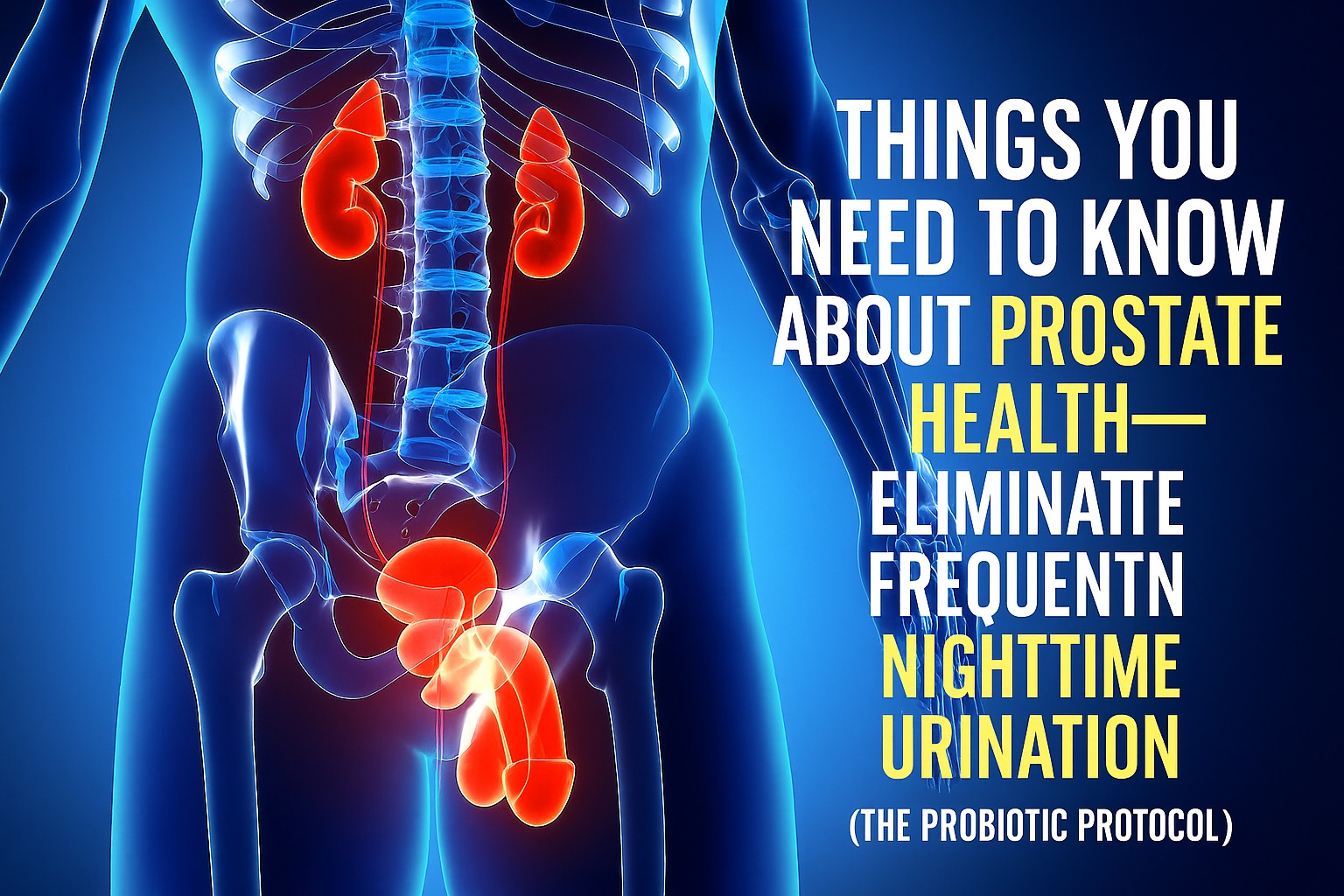
This guide examines why frequent nighttime urination (nocturia) happens in men over 45 and provides a research-backed, 30-day natural protocol to address benign prostatic hyperplasia (BPH) without prescription medications. I'll explain why conventional treatments often disappoint, how prostate inflammation drives nocturia, and the specific interventions that actually work.

Dr Anonymous
13 min
Personal Hook
I woke up four times every night for two years.
My sleep was destroyed. My energy crashed by 2 PM daily. I'd stumble through meetings feeling like I hadn't slept in days. When I finally saw my doctor, his response was dismissive: "You're 52. This happens." He offered tamsulosin with a casual warning about erectile dysfunction.
I refused to accept that trading nighttime urination for sexual dysfunction was my only option.
So I read the actual research on benign prostatic hyperplasia and nocturia. What I discovered changed everything. Frequent nighttime urination isn't primarily about aging or your bladder—it's about prostate inflammation, specifically benign prostatic hyperplasia (BPH). And BPH responds remarkably well to natural interventions targeting inflammation.
Within 30 days of implementing this protocol, I went from waking up four times nightly to maybe once. My sleep quality returned. My energy came back. I felt like myself again.
Key Takeaways
- Frequent nighttime urination in men over 45 stems from benign prostatic hyperplasia (BPH), not aging or bladder problems
- Prescription medications provide temporary relief but don't address underlying prostate inflammation and come with significant side effects
- Natural BPH treatment using saw palmetto, beta-sitosterol, and pygeum shows comparable effectiveness to prescription drugs in clinical trials
- Lifestyle modifications including hydration timing and dietary changes significantly reduce nocturia frequency
- Most men see substantial improvement within 14-30 days using this comprehensive protocol
Who This Article Is For
This guide is for men experiencing:
- Waking 3+ times nightly to urinate
- Weak urinary stream or difficulty starting urination
- Feeling of incomplete bladder emptying
- Age 45+ (though younger men with BPH will benefit)
- Seeking alternatives to prescription medications
This is NOT for: Men with acute urinary retention, suspected prostate cancer, or severe symptoms requiring immediate intervention. Always consult your healthcare provider before changing prescribed medications.
Table of Contents
- Understanding BPH: What is Actually Happening
- Why Prescription Drugs Miss the Mark
- The Inflammation Connection
- Evidence for Natural BPH Treatment
- The 30-Day Natural Protocol
- Dietary Modifications That Matter
- Hydration Timing Strategies
- Sleep Optimization for Relief
- FAQ
- Action Steps
1. Understanding BPH: What is Actually Happening
Your prostate sits directly below your bladder. The urethra passes right through its center. When everything works normally, urine flows freely and you sleep through the night.
Benign prostatic hyperplasia changes this. BPH is non-cancerous prostate enlargement affecting 50-60% of men in their 60s and 80-90% of men over 70, according to recent epidemiological data. As the prostate enlarges, it compresses the urethra, creating two problems.
First, incomplete bladder emptying. The compressed urethra restricts flow, so you can't fully empty your bladder. You might void 200ml, but 100ml remains trapped. Your brain detects this and signals "we still need to go" within 90 minutes. You wake up, partially empty again, and the cycle repeats.
Second, chronic inflammation. Residual urine becomes a breeding ground for bacteria, triggering inflammatory responses. Inflammation causes more swelling, tightening urethral compression further. It's a vicious cycle.
Research published in Molecules (2021) identified that BPH involves declining testosterone and shifting testosterone-to-estrogen ratios. As testosterone decreases, the enzyme 5-alpha reductase converts remaining testosterone into dihydrotestosterone (DHT), which is five times more potent at stimulating prostate growth. Meanwhile, relatively higher estrogen levels stimulate prostate proliferation through estrogen receptors.
Understanding this mechanism is critical because it changes how you approach treatment. If the root problem is inflammation and enlargement, simply relaxing smooth muscle or suppressing DHT addresses only part of the equation while introducing significant side effects.
2. Why Prescription Drugs Miss the Mark
Alpha-blockers (tamsulosin, alfuzosin) relax smooth muscle in the prostate and bladder neck, improving flow within days. According to a 2024 review in Cleveland Clinic Journal of Medicine, they provide quick symptom relief.
The problem? They treat symptoms, not causes. You're dependent indefinitely. Stop taking them, symptoms return immediately. Side effects include erectile dysfunction (up to 20% of users), retrograde ejaculation, dizziness, and fatigue.
5-alpha reductase inhibitors (finasteride, dutasteride) block DHT production, theoretically shrinking the prostate. Research shows finasteride reduces prostate volume by approximately 19% over 12 months.
The reality: It takes 6-12 months to see improvement. Side effects include erectile dysfunction (10% of users), reduced libido, gynecomastia, and persistent depression in some cases. You're systematically suppressing DHT, a hormone essential for muscle maintenance, bone density, and cognitive function.
The fundamental issue: prescription drugs ignore inflammation. Recent research in PMC (2023) emphasizes that BPH progression involves chronic inflammation mediated by cytokines and oxidative stress. Medications temporarily manage mechanical symptoms while the underlying inflammatory process continues.
This is why natural approaches targeting inflammation can be more effective. Instead of suppressing one hormone or relaxing one muscle group, you're addressing the root inflammatory dysfunction.
3. The Inflammation Connection
Here's what changed my understanding: BPH is fundamentally an inflammatory problem.
Research over the past decade established that chronic inflammation drives BPH development. A 2023 review in PMC notes that the prostate contains its own bacterial ecosystem. When this becomes imbalanced (dysbiosis), inflammatory responses accelerate.
What drives prostate inflammation?
Dietary factors: High processed foods, omega-6-rich seed oils, and refined carbohydrates promote systemic inflammation. Research in American Journal of Epidemiology (2008) documents that dietary patterns significantly influence BPH symptoms.
Oxidative stress: Aging produces more reactive oxygen species damaging cellular structures. The prostate is particularly susceptible due to high metabolic activity.
Hormonal imbalances: Shifting testosterone-to-estrogen ratios activate inflammatory pathways through estrogen receptors.
Bacterial dysbiosis: Residual urine creates environments where pathogenic bacteria flourish, triggering chronic inflammation.
Inflammation makes prostate tissue swell beyond structural enlargement, compounding urethral compression. Additionally, inflammatory cytokines make smooth muscle more reactive and less compliant, worsening obstruction.
The good news? Inflammation responds remarkably well to targeted natural interventions. Multiple plant compounds have potent anti-inflammatory effects specifically in prostate tissue, addressing multiple aspects of the inflammatory cascade simultaneously.
4. Evidence for Natural BPH Treatment
I'm skeptical of natural health claims by default. When I say natural BPH treatment works, I mean it's supported by actual clinical evidence.
Saw Palmetto (Serenoa repens)
The evidence is mixed, and I'll be honest about that. A 2019 review notes saw palmetto inhibits 5-alpha reductase (similar to finasteride, but weaker). Some studies show modest improvement, others show no difference versus placebo.
However, a recent meta-analysis found Serenoa repens had comparable effects to tamsulosin in improving symptom scores and urinary flow without sexual side effects. My take: Saw palmetto alone probably isn't sufficient for moderate-to-severe BPH, but as part of a comprehensive formula, it contributes meaningful benefits without harsh side effects.
Beta-Sitosterol
This plant compound has stronger evidence. According to NCCIH research, beta-sitosterol significantly improves urinary symptoms. Clinical trials show it improves flow rates and reduces residual urine volume. One study found beta-sitosterol reduced nocturia frequency by approximately 38% within 60 days.
Pygeum Africanum
Extracted from African plum bark, pygeum has been used in Europe for decades. Research in Molecules (2021) documents that pygeum reduces inflammation and specifically addresses nighttime urination. Clinical trials show significant nocturia improvement within 3-4 weeks.
Lycopene
This carotenoid from tomatoes has potent antioxidant effects in prostate tissue. Research shows lycopene reduces inflammation and supports healthy cell growth. A randomized controlled trial found combination therapy with saw palmetto plus lycopene was more effective than single therapies.
The combination advantage: These compounds work synergistically. Saw palmetto provides anti-DHT effects. Beta-sitosterol improves flow. Pygeum reduces inflammation. Lycopene provides antioxidant protection. Using them together creates multi-targeted approaches no single prescription drug can match.
5. The 30-Day Natural Protocol
Week 1: Foundation and Elimination
Eliminate inflammatory foods immediately:
- Seed oils (vegetable, canola, soybean, corn oil)
- Processed foods and packaged snacks
- Refined sugar
- Excessive alcohol (limit to 2 drinks weekly maximum)
Replace seed oils with extra virgin olive oil, coconut oil, or grass-fed butter.
Why this matters: Research documents that dietary patterns directly influence BPH symptoms. High omega-6 intake from seed oils promotes systemic inflammation that exacerbates prostate inflammation.
Begin targeted supplementation:
Look for comprehensive BPH formulas containing:
- Saw palmetto extract (320mg)
- Beta-sitosterol (300mg minimum)
- Pygeum africanum (100mg)
- Lycopene (10mg)
- Pumpkin seed oil (200mg)
- Zinc (15mg)
Take with breakfast daily.
Expected results Week 1: You probably won't see dramatic changes yet. Some men notice slightly less urgency by day 5-7.
Week 2: Intensification
Continue elimination diet strictly.
Sleep optimization:
- Keep bedroom temperature 65-68°F
- Eliminate screens 60 minutes before bed
- Consider magnesium glycinate (400mg before bed)
- Maintain consistent sleep and wake times
Research in Front Public Health (2022) documents that sleep disruption from nocturia creates vicious cycles where poor sleep worsens prostate symptoms.
Add anti-inflammatory foods:
- Fatty fish (salmon, sardines) 3x weekly for omega-3s
- Cruciferous vegetables (broccoli, cauliflower) daily
- Berries for anthocyanins
- Green tea (2-3 cups daily) for EGCG
- Tomatoes cooked with olive oil for lycopene
Optimize hydration timing:
Drink 80% of daily fluid intake before 5 PM. After 5 PM, sip minimally. Stop all fluids 2-3 hours before bed.
Research in PMC on dietary considerations shows fluid timing directly impacts nighttime urinary frequency.
Expected results Week 2: Many men notice 20-30% reduction in nocturia by day 14. Instead of waking 5 times, you might wake 3-4 times. Urinary stream strength often improves noticeably.
Week 3-4: Stabilization
Continue all Week 1-2 interventions.
Add moderate activity: Start 20-30 minutes of daily walking. Research in PMC (2023) identifies sedentary lifestyle as a significant BPH risk factor.
Reduce dietary sodium: High sodium increases thirst and fluid intake. According to research, sodium restriction significantly improves nocturia severity. Keep sodium under 2,300mg daily.
Monitor progress: Track nightly awakenings, urine volume, sleep quality, and daytime frequency.
Expected results Week 3-4: Most men see dramatic improvement. Nocturia typically drops to 0-2 times nightly. Sleep quality substantially restored. Energy rebounds. Urinary stream noticeably better.
6. Dietary Modifications That Matter
What matters:
Eliminate seed oils: Vegetable, canola, soybean, and corn oils are high in omega-6 fatty acids promoting inflammation. Replace with olive oil, coconut oil, or avocado oil.
Increase omega-3 intake: EPA and DHA actively resolve inflammation. Eat fatty fish 3x weekly or supplement with 2-3g fish oil daily providing 1g+ combined EPA/DHA.
Cruciferous vegetables daily: Broccoli, cauliflower, and Brussels sprouts contain compounds that support healthy estrogen metabolism and reduce prostate proliferation. Target 1-2 cups daily.
Lycopene-rich foods: Cooked tomatoes with fat dramatically increase lycopene absorption. Eat tomato sauce or paste 3-4x weekly.
Reduce refined carbohydrates: High glycemic carbs spike insulin, promoting inflammation. Replace white bread and pasta with whole grains or increase vegetable portions.
What doesn't matter as much:
Total calorie restriction (unless BMI >30), specific meal timing (except fluid restriction before bed), or organic versus conventional produce.
7. Hydration Timing Strategies
Research in PMC found fluid timing directly correlates with nighttime urinary frequency. Your kidneys produce urine responding to fluid intake. If you drink 30% of daily fluids in evening, kidneys produce 30% of output at night.
The protocol:
- Before 5 PM: Drink 70-80% of total daily fluid (48-60 ounces)
- 5-7 PM: Limit to 8-12 ounces total
- After 7 PM: Minimal sipping only
- 2-3 hours before bed: Nothing except minimal amounts for supplements
Practical tips:
- Front-load hydration: Drink full glass upon waking
- Keep water bottle at desk, drink steadily through morning
- Set 4:30 PM reminder to "finish daily hydration"
Coffee and tea: Caffeine is a mild diuretic and bladder irritant. If waking 4+ times nightly, eliminate caffeine after noon. Green tea deserves mention—despite containing caffeine, its EGCG compounds have anti-inflammatory effects in prostate tissue.
Alcohol: It's a bladder irritant and diuretic that disrupts sleep architecture. During the initial 30 days, eliminate alcohol completely.
8. Sleep Optimization for Relief
Improving sleep quality directly improves BPH symptoms. Sleep deprivation increases inflammatory markers, reduces testosterone, and worsens bladder function.
Core strategies:
Consistent schedule: Same bedtime and wake time daily, including weekends. This reinforces circadian rhythm regulating antidiuretic hormone (ADH). Higher nighttime ADH means more concentrated urine and less frequency.
Optimize environment: Keep room 65-68°F, completely dark, eliminate electronics 60 minutes before bed.
Consider melatonin: Research shows melatonin reduces nocturnal urine production. Start with 3-5mg 30 minutes before bed.
Magnesium glycinate: Relaxes smooth muscle including bladder, reducing urge. Improves sleep quality. Take 400mg 30-60 minutes before bed. Research found 40% of participants reported improvements in urgency and nocturia versus 16.7% with placebo.
Elevate legs in evening: Some men accumulate leg fluid during day. When lying down, this redistributes and gets processed by kidneys, increasing nighttime production. Elevate legs 2-3 hours before bed using recliner or pillows.
FAQ
Q: How long until I see improvement?
Most men notice improvement within 14 days, with substantial reduction by 21-30 days. Mild BPH improves faster than severe cases. Consistency matters most.
Q: Can I stop prescription medications?
Never discontinue without consulting your doctor. Start this protocol while continuing medications. Monitor improvement over 30-60 days. If symptoms substantially improve, discuss tapering with your physician.
Q: Do I need supplements forever?
This varies. After symptom resolution (30-60 days), experiment with reducing frequency. Some maintain improvement with supplements 4-5 days weekly. Others discontinue after 90 days and maintain through diet alone.
Q: Will this work if I've had BPH for years?
Yes, but expect slower improvement. Long-standing BPH involves more structural enlargement requiring longer to reverse. Extend the protocol to 60-90 days before evaluating effectiveness.
Q: Are there side effects?
Side effects are uncommon and mild. Saw palmetto occasionally causes digestive upset (take with food). Pygeum rarely causes nausea. Beta-sitosterol has essentially no reported side effects at recommended doses.
Q: What about pelvic floor exercises?
Pelvic floor physical therapy helps if you have tension or weakness, but won't shrink enlarged prostate. Some benefit from combining this protocol with pelvic exercises if they also have weak stream from poor muscle coordination.
Q: Does sexual activity affect BPH?
Research shows no clear relationship between ejaculation frequency and BPH progression. What matters more: overall inflammation status.
Q: I'm only 45. Is this normal?
BPH can begin earlier, especially with family history, metabolic syndrome, or obesity. This protocol works equally well for younger men. Also rule out other causes: diabetes, sleep apnea, or excessive evening fluids.
Q: Should I avoid coffee completely?
If waking 4-5+ times nightly, eliminate caffeine after noon (not completely). Most men tolerate 1-2 cups in morning without worsening symptoms. Experiment to find your tolerance.
Q: When should I see a doctor?
Seek urgent care for: complete inability to urinate, severe pain, blood in urine, fever with urinary symptoms, or lower back pain with urinary symptoms. Schedule appointments if: no improvement after 60 days, progressive worsening, rapidly rising PSA, or symptoms interfering with daily function.
Action Steps: Your 30-Day Checklist
Before Starting:
- Track baseline nighttime urination frequency for 3 days
- Note current symptoms, energy, sleep quality
- Purchase comprehensive BPH supplement formula
- Clear kitchen of inflammatory foods
Days 1-7:
- Eliminate inflammatory foods completely
- Begin supplement protocol daily with breakfast
- Start hydration timing: 70-80% before 5 PM
- Track nightly awakenings
Days 8-14:
- Continue Week 1 interventions
- Add anti-inflammatory foods
- Optimize sleep environment
- Consider magnesium glycinate before bed
- Begin 20-minute daily walks
Days 15-21:
- Continue all interventions
- Evaluate progress versus baseline
- Reduce dietary sodium under 2,300mg daily
- Try evening leg elevation 2-3 hours before bed
Days 22-30:
- Maintain all interventions consistently
- Experiment with maintenance if symptoms resolved
- Schedule provider follow-up if needed
- Plan long-term maintenance strategy
After Day 30:
- Compare final results to baseline
- Adjust maintenance plan
- Continue anti-inflammatory diet at 80/20 ratio
- Maintain hydration timing permanently
- Schedule annual prostate monitoring
Tags:
supplements
diet
men's health
Prostate health
Prostate care
benign prostatic hyperplasia
BPH natural treatment
nocturia remedies
frequent urination
prostate health protocol
natural BPH remedies
prostate inflammation
